Sandwich panels are one of the most commonly used construction materials in modern buildings due to their excellent insulation properties, strength, and versatility. These panels are constructed by sandwiching an insulating core between two outer layers, providing a combination of strength, thermal performance, and lightweight characteristics. Over the years, sandwich panels have become the material of choice for many construction applications, from industrial warehouses to residential buildings and specialized facilities like cleanrooms and cold storage units.
Made from a combination of materials that offer superior durability and functionality, sandwich panels are an essential component in the design of energy-efficient buildings. Their usage is not limited to walls and roofs but extends to floors, ceilings, and even facades in some cases. This article will explore the detailed process of manufacturing sandwich panels, the types of materials used, and how these panels are made to offer both functional and aesthetic benefits.
Understanding the Structure of Sandwich Panels
What are Sandwich Panels?
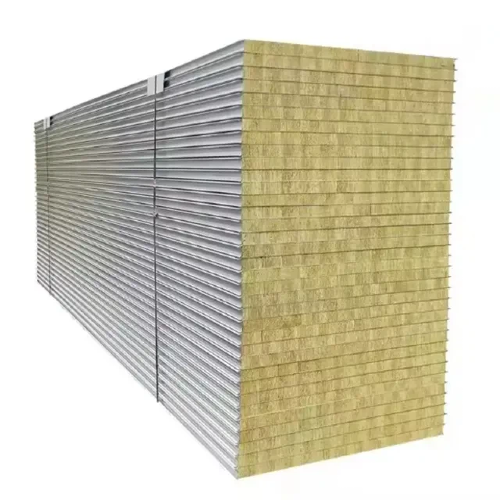
A sandwich panel is a composite building material typically consisting of three layers:
Outer Layers: These outer layers, usually made from metal, are strong and resistant to environmental elements. Common metals used include color-coated steel, aluminum, or galvanized steel. These materials provide structural integrity, corrosion resistance, and an aesthetic finish for the panels.
Core Material: The core material placed between the outer metal sheets is where the sandwich panel derives its insulation properties. The core materials can vary, and the most common ones include EPS (Expanded Polystyrene), PU (Polyurethane), PIR (Polyisocyanurate), Rockwool, and Glasswool. These materials are selected based on their thermal insulation properties, fire resistance, and acoustic performance.
The "sandwich" structure not only optimizes the material usage by combining different properties but also reduces the overall weight of the structure, which makes sandwich panels easy to handle and install.
Types of Sandwich Panels
The choice of core material significantly influences the sandwich panel’s properties, such as insulation efficiency, fire resistance, and acoustic control. Each type of sandwich panel has distinct characteristics suitable for specific applications.
Core Material | Properties | Applications |
EPS (Expanded Polystyrene) | Lightweight, cost-effective, good thermal insulation | Common in residential buildings, warehouses, and roofs |
PU (Polyurethane) | Superior thermal resistance, high insulation value | Commercial buildings, industrial units, cold storage |
PIR (Polyisocyanurate) | Excellent fire resistance, superior thermal performance | Cold storage, cleanrooms, fire-sensitive areas |
Rockwool | Fireproof, soundproof, thermal insulation | High-rise buildings, industrial facilities |
Glasswool | Soundproof, good thermal resistance, fire-resistant | Commercial buildings, noise-sensitive environments |
Manufacturing Process of Sandwich Panels
Step 1: Preparation of Outer Metal Sheets
The production of sandwich panels starts with preparing the outer metal sheets that will form the external layer of the panel. These sheets are selected based on their strength, weather resistance, and appearance. Commonly used metals include color-coated steel and aluminum, chosen for their durability and ease of maintenance.
Metal Coating: The metal sheets undergo a coating process that includes a protective layer, which prevents corrosion and improves weather resistance. The coating also enhances the aesthetic appeal of the panels, as these outer layers can come in various colors and finishes.
Customization: The metal sheets are customized according to project specifications, including desired thickness, color, and surface treatment. For example, a gloss finish might be used for aesthetic purposes, while a matte finish may be chosen for its ability to blend better with other building materials.
Step 2: Preparing the Core Material
The core material is the most important aspect of a sandwich panel since it determines the insulation and overall thermal properties. Several different core materials are used depending on the application and desired properties of the finished panel.
EPS (Expanded Polystyrene): EPS is made from polystyrene beads that are heated and expanded, creating a light, porous material. This core material is cost-effective and provides good thermal insulation, making it suitable for many residential and commercial applications.
PU (Polyurethane): Polyurethane foam is known for its excellent thermal performance and high insulation value. It is commonly used in areas that require high insulation performance, such as industrial units and cold storage applications.
Rockwool: Rockwool is made by heating basalt or limestone rock and spinning it into fibers. The result is a fireproof material with excellent thermal and acoustic properties, suitable for use in high-rise buildings and facilities requiring superior fire protection.
Glasswool: Similar to rockwool, glasswool is made by spinning molten glass into fibers. This material is lightweight, offers good insulation properties, and is highly fire-resistant. It is frequently used in environments that require noise control and thermal insulation, such as commercial offices or schools.
Step 3: Bonding the Layers
Once the outer metal sheets and core material are prepared, the next step is to bond them together. The bonding process is critical as it determines the panel's strength, durability, and insulating properties.
Bonding Methods:
Foam Bonding: For materials like PU and PIR, the core material is injected with a foam that expands and bonds the metal sheets together. This method creates a strong bond and gives the sandwich panel a rigid structure.
Adhesive Bonding: In some cases, specialized adhesives are used to bond the outer metal sheets to the core. The adhesive is applied to the core material before the metal sheets are pressed on top, ensuring a secure and lasting bond.
Mechanical Bonding: In certain scenarios, mechanical fasteners or heat-sealing techniques are used to join the metal sheets and core material. These methods ensure the panels are tightly bonded and stable.
Step 4: Cutting and Shaping
After bonding, the sandwich panels are cut into the required dimensions. The thickness of the panels is determined by the insulation needs and structural requirements of the project. Commonly available thicknesses range from 40mm to 150mm, although custom thicknesses can be manufactured for specific applications.
Standard Sizes: While panels can be custom-sized, the most common dimensions include 1m x 10m and 1.2m x 6m, with longer panels available for large-scale projects.
Edge Profiles: Sandwich panels can have different edge profiles, such as tongue-and-groove or flush edges, which ensure easy and secure installation.
Step 5: Final Inspection and Quality Control
Once the panels are cut and shaped, they undergo a final inspection to ensure they meet the necessary strength, insulation, and fire resistance standards.
Strength Testing: Panels are tested for compression strength, bending resistance, and shear strength to ensure that they can withstand the weight and pressure they will experience in their intended applications.
Thermal Testing: The thermal conductivity of the panels is tested to ensure that they provide the required insulation, especially in areas where energy efficiency is critical.
Fire Resistance Testing: Fire resistance tests are conducted to ensure that the panels meet safety standards, especially in fire-sensitive applications like commercial buildings and high-rise structures.
Aesthetic Inspection: The final appearance of the panels is also inspected, checking for uniformity, smoothness, and color consistency.
Applications of Sandwich Panels
Building and Construction
Sandwich panels are used extensively in the construction industry due to their lightweight structure, insulating properties, and ability to withstand the elements. They are ideal for use in:
Warehouses and Industrial Buildings: Sandwich panels are quick and easy to install, making them a popular choice for large commercial and industrial buildings. Their insulation properties also reduce heating and cooling costs, making them highly energy-efficient.
Roof and Wall Systems: These panels are often used in both walling and roofing systems, where their ability to provide thermal insulation helps maintain a comfortable indoor environment.
Facade Systems: Sandwich panels offer a sleek and modern appearance and can be used in the facades of buildings. Their ability to be customized in various colors and finishes makes them an attractive option for both functional and aesthetic purposes.
Energy Efficiency and Insulation
One of the most significant advantages of sandwich panels is their energy efficiency. These panels provide excellent thermal insulation, helping buildings maintain comfortable indoor temperatures with less reliance on heating and air conditioning. By using materials like EPS or PU, sandwich panels reduce energy consumption, leading to lower energy bills for building owners.
Cold Storage and Cleanrooms
Sandwich panels are also used in specialized environments that require precise temperature control and cleanliness, such as:
Cold Storage: PIR and EPS sandwich panels are often used in cold storage facilities to maintain stable temperatures, preventing spoilage and ensuring food safety.
Cleanrooms: Rockwool and Glasswool panels are commonly used in cleanroom applications, where maintaining a contaminant-free environment is critical.
Conclusion
The manufacturing process of sandwich panels is a meticulous procedure that combines cutting-edge technology with premium materials. From the initial preparation of the metal sheets and core materials to the final quality inspection, each stage is crucial to producing a durable, energy-efficient building material. These panels are essential in modern construction, offering superior insulation, strength, and cost-effectiveness, making them a popular choice for a wide range of applications.
At Yantai Jedha Industrial and Trading Co., Ltd., we specialize in providing high-quality sandwich panels tailored to meet the diverse needs of our clients. Our advanced manufacturing process ensures that every panel meets stringent industry standards for thermal performance, fire resistance, and structural integrity. Whether you’re working on industrial, commercial, or residential projects, our sandwich panels offer the perfect solution to enhance energy efficiency and reduce long-term costs.
For more information or to discuss your specific requirements, feel free to contact us. Our team is ready to provide expert guidance and custom solutions for your next project.
FAQs
1. What are sandwich panels made of?
Sandwich panels are made of two outer layers, typically metal (steel or aluminum), with a core material like EPS, PU, PIR, Rockwool, or Glasswool. These core materials provide insulation, fire resistance, and soundproofing.
2. Why are sandwich panels used in construction?
Sandwich panels are used for their thermal insulation properties, lightweight structure, and durability. They offer an effective solution for walls, roofs, and facades, making them ideal for both industrial and commercial buildings.
3. What core materials are used in sandwich panels?
The most common core materials in sandwich panels include EPS (Expanded Polystyrene), PU (Polyurethane), PIR (Polyisocyanurate), Rockwool, and Glasswool, each providing different insulation, fire resistance, and soundproofing properties.
4. How are sandwich panels manufactured?
The manufacturing process involves preparing the metal sheets, preparing the core material, bonding the layers together using foam or adhesive, cutting and shaping the panels, and conducting quality control tests to ensure strength, insulation, and fire resistance.
5. Can sandwich panels be customized for different applications?
Yes, sandwich panels can be customized in thickness, size, insulation properties, and edge profiles to meet the specific needs of various building projects.


