EPS Sandwich Panels are revolutionizing modern construction, offering a combination of energy efficiency, strength, and cost-effectiveness. These panels consist of two outer metal layers with an insulating core made of Expanded Polystyrene (EPS), making them a popular choice for a variety of building projects. Whether you are constructing residential homes, industrial warehouses, or temperature-sensitive facilities like cold storage, EPS Sandwich Panels provide unparalleled benefits.
In this article, we’ll explore the many advantages of using EPS Sandwich Panels in construction, focusing on their thermal insulation, lightweight nature, cost-effectiveness, fire resistance, and more. We’ll also discuss the key factors to consider when choosing EPS Sandwich Panels and their applications in the construction industry.
What are EPS Sandwich Panels?
Definition of EPS Sandwich Panels
EPS Sandwich Panels are composite materials made up of three layers:
Outer Metal Sheets: These are typically made of steel or aluminum and provide structural strength and protection against environmental factors like weathering, corrosion, and UV degradation.
EPS Core: The middle layer is made from Expanded Polystyrene (EPS), a lightweight, high-insulation material that plays a crucial role in the panel’s thermal and acoustic properties.
Bonding: The outer metal sheets are bonded to the EPS core using adhesives or foaming techniques, ensuring that the panel maintains its shape and insulation properties over time.
The combination of these materials creates a strong, durable, and energy-efficient building component.
Component |
Material Used |
Functionality |
Outer Layers |
Steel, Aluminum |
Provide strength, weather resistance, aesthetic finish |
Core Material |
EPS (Expanded Polystyrene) |
Thermal insulation, lightweight, cost-effective |
Bonding Method |
Adhesives or Foam Bonding |
Ensures structural integrity and insulation performance |
EPS Sandwich Panels are commonly used for walls, roofs, and partitions in industrial, commercial, and residential buildings.
Advantages of Using EPS Sandwich Panels in Construction
1. Excellent Thermal Insulation
One of the key advantages of EPS Sandwich Panels is their excellent thermal insulation properties. The EPS core provides high thermal resistance, which is essential in maintaining stable indoor temperatures in buildings. This results in a reduction in the need for heating or cooling systems, which in turn leads to lower energy consumption.
How EPS Improves Energy Efficiency
Keeps buildings warmer in winter and cooler in summer.
Reduces HVAC load, leading to lower energy bills over time.
Maintains temperature control in sensitive environments like cold storage and cleanrooms.
The thermal conductivity of EPS is relatively low, making it one of the most effective insulating materials for energy-efficient buildings.
2. Lightweight and Easy to Handle
EPS Sandwich Panels are lightweight due to the EPS core, which is much less dense than other insulation materials like mineral wool or polyurethane. This makes them easier to handle, transport, and install, reducing overall construction costs and time.
Lightweight panels reduce the structural load on buildings, which can be especially beneficial for steel frame structures.
Faster installation results in lower labor costs and quicker project completion.
Reduced transportation costs due to the lighter weight compared to traditional building materials.
These panels are especially ideal for prefabricated buildings and modular homes, where speed and efficiency are critical.
3. Cost-Effectiveness
EPS Sandwich Panels offer a cost-effective solution for a variety of building needs. The EPS core is relatively inexpensive compared to other insulation materials, making it a budget-friendly choice for both residential and commercial projects.
Panel Type |
Core Material |
Cost |
Benefit |
EPS Sandwich Panel |
EPS (Expanded Polystyrene) |
Low |
Budget-friendly, lightweight, good insulation |
Polyurethane Panel |
Polyurethane |
High |
Superior thermal resistance but more expensive |
Rockwool Panel |
Rockwool |
Moderate |
Better fire resistance but costlier than EPS |
Low material cost: EPS is a cost-effective insulation material that offers excellent value for money.
Reduced labor costs: The ease of installation lowers labor expenses significantly.
Durable and long-lasting: EPS Sandwich Panels are durable and require minimal maintenance, leading to cost savings over the life of the building.
4. High Strength and Durability
Despite their lightweight nature, EPS Sandwich Panels are remarkably strong and durable. The outer metal sheets provide strength and protect the EPS core from damage. The panels are designed to withstand various environmental conditions, including:
High winds and heavy rain.
Corrosion resistance ensures longevity even in harsh environments.
Impact resistance prevents damage from accidental impacts.
The strength of these panels makes them suitable for industrial applications, where the structure needs to endure heavy use and extreme weather conditions.
5. Fire Safety
While EPS itself is not inherently fire-resistant, EPS Sandwich Panels can be enhanced with fire-resistant coatings and metal cladding that offer protection in case of a fire. The panels can be designed to meet various fire ratings to meet safety standards.
Fire-resistant metal cladding can improve the fire resistance of the panels.
EPS cores can be treated with flame retardants to increase fire safety.
Complies with fire safety standards for many commercial and industrial buildings.
For areas requiring high levels of fire resistance, additional fire-rated materials can be integrated into the design.
6. Sound Insulation
The EPS core also provides some degree of sound insulation, which is important in both commercial and residential buildings where noise control is a priority. EPS Sandwich Panels can help reduce noise transmission and improve acoustic comfort in various environments.
Ideal for offices, schools, and hospitals where a quiet, comfortable environment is required.
Soundproofing properties are enhanced with specific metal cladding materials or by using a thicker EPS core.
7. Easy Installation and Low Labor Costs
The installation of EPS Sandwich Panels is straightforward and quick due to their modular design. Pre-fabricated panels can be easily fixed on-site, significantly reducing construction time and labor costs.
Pre-cut and pre-finished panels allow for fast assembly, reducing time on-site.
No need for additional insulation layers: EPS provides both insulation and structural properties, saving time and money.
Minimal maintenance required: EPS Sandwich Panels are low-maintenance, which reduces ongoing operational costs.
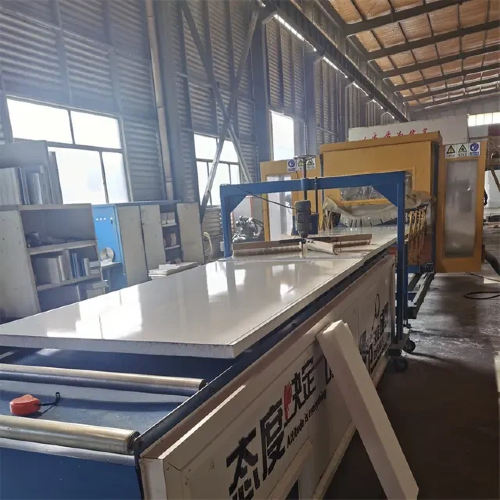
Applications of EPS Sandwich Panels in Construction
1. Residential Buildings
EPS Sandwich Panels are ideal for creating energy-efficient homes. These panels provide excellent thermal insulation, reducing the need for heating and cooling systems and offering a more comfortable living environment. By using EPS panels, residential buildings can be more sustainable and cost-effective in the long term.
2. Commercial and Industrial Buildings
For warehouses, factories, and commercial spaces, EPS Sandwich Panels offer a robust and cost-effective solution for walls and roofing. They help reduce energy consumption, provide sound insulation, and are fire-resistant. They also allow for quick construction, helping businesses open their doors faster.
3. Cold Storage and Temperature-Controlled Facilities
EPS Sandwich Panels are commonly used in cold storage and refrigerated warehouses due to their excellent thermal insulation properties. The panels help maintain a stable temperature, reducing energy costs and ensuring that products like food or pharmaceuticals are stored at optimal conditions.
4. Modular and Prefabricated Buildings
EPS panels are perfect for modular and prefabricated homes. These types of buildings require materials that are easy to handle, quick to install, and energy-efficient. EPS Sandwich Panels provide all these benefits, making them the material of choice for modern modular construction.
Environmental Impact of EPS Sandwich Panels
Sustainability Benefits
EPS Sandwich Panels contribute to sustainable building practices by reducing energy consumption, improving insulation, and lowering carbon footprints. The panels help minimize the reliance on HVAC systems, leading to lower greenhouse gas emissions.
Recyclability
EPS is a recyclable material, making EPS Sandwich Panels an environmentally friendly choice. When the panels reach the end of their life cycle, they can be recycled into new products, reducing waste and promoting sustainability.
How to Choose the Right EPS Sandwich Panel for Your Project
1. Panel Thickness and Insulation Requirements
Choosing the right thickness of EPS Sandwich Panel is critical to ensuring the thermal performance of the building. Thicker panels provide better insulation and are suitable for extreme climates. Standard panel thicknesses range from 40mm to 150mm, but custom thicknesses can be ordered to meet specific project requirements.
2. Fire Safety and Regulations
Consider the fire safety requirements of your project. If fire safety is a concern, look for fire-resistant coatings or choose panels with metal cladding that meets fire ratings.
3. Budget and Performance Balance
Balance the cost of the panels with their performance. For standard buildings, EPS Sandwich Panels offer an excellent solution at a low cost, but for high-performance buildings, consider PIR or Rockwool-based panels for superior fire resistance and insulation.
Conclusion
EPS Sandwich Panels combine cost-effectiveness, superior insulation properties, strength, and fire resistance, making them an excellent choice for a variety of construction projects. Whether you're working on residential, commercial, or industrial buildings, these panels provide enhanced energy efficiency, help reduce construction time, and minimize long-term maintenance costs. By selecting the right EPS Sandwich Panel for your project, you ensure sustainability, optimal performance, and cost-efficiency.
At Yantai Jedha Industrial and Trading Co., Ltd., we specialize in providing high-quality EPS Sandwich Panels designed to meet your specific construction needs. Our panels are engineered for durability, superior insulation, and ease of installation, ensuring that your project meets the highest standards. Whether you're working on a large-scale industrial facility or a residential development, we are here to support your success with reliable, energy-efficient building solutions. Contact us today to learn more about how our products can contribute to the success of your next project.
FAQs
1. What are EPS Sandwich Panels made of?
EPS Sandwich Panels are made of two metal sheets (typically steel or aluminum) and an EPS (Expanded Polystyrene) core. The core provides thermal insulation, and the metal sheets offer strength and protection.
2. Why should I choose EPS Sandwich Panels for my building project?
EPS Sandwich Panels are cost-effective, provide excellent insulation, and are lightweight and easy to handle. They also offer durability, fire resistance, and soundproofing capabilities, making them ideal for various applications.
3. How thick should my EPS Sandwich Panels be?
The thickness of EPS Sandwich Panels depends on your insulation needs and the climate. For standard use, 50mm to 100mm thickness is typical, while thicker panels may be required for projects in extreme climates.
4. Are EPS Sandwich Panels fire-resistant?
EPS Sandwich Panels offer some degree of fire resistance when combined with appropriate metal cladding and fire-resistant coatings. They can be designed to meet specific fire safety standards for various building types.
5. Can EPS Sandwich Panels be used in cold storage?
Yes, EPS Sandwich Panels are perfect for cold storage and refrigerated warehouses due to their superior thermal insulation properties, helping to maintain stable temperatures in temperature-sensitive environments.


