Cleanroom sandwich panels are a key component in maintaining the integrity of clean environments in industries that require strict control over temperature, humidity, and cleanliness. These panels, made from two outer metal sheets and a core material, offer exceptional benefits in terms of insulation, fire resistance, and soundproofing. The right choice of cleanroom sandwich panel can significantly impact the performance, safety, and energy efficiency of your project.
Whether you’re designing a pharmaceutical cleanroom, an electronics manufacturing facility, or a food processing area, understanding the key factors that influence the choice of sandwich panels will ensure that your project meets industry standards and operates efficiently for years to come.
This guide will walk you through the essential considerations for selecting the right cleanroom sandwich panel, focusing on the core materials, panel thickness, fire and acoustic requirements, and more. We’ll also explore how to match your panel choice to your specific project needs, ensuring you make an informed decision.
Understanding Cleanroom Sandwich Panels
What are Cleanroom Sandwich Panels?
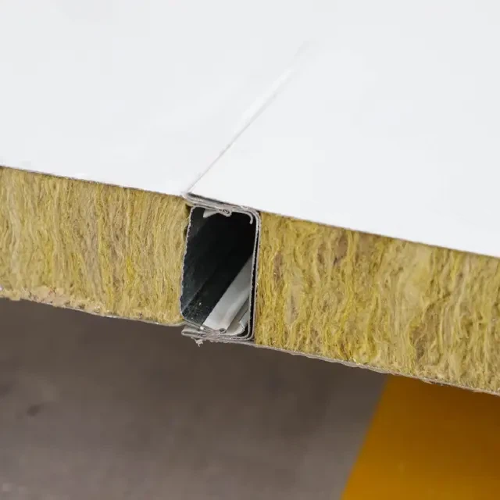
Cleanroom sandwich panels are composite materials that consist of three main layers: two metal outer sheets and an insulating core layer. The outer sheets are typically made from metal materials like steel or aluminum, while the core is composed of various materials that provide thermal insulation, fire resistance, and soundproofing.
The core material plays a crucial role in the cleanroom sandwich panel’s performance, as it directly impacts the panel’s thermal insulation, fire resistance, and acoustic properties. The right combination of materials ensures that the cleanroom environment remains free of contaminants, stable in temperature, and safe for sensitive processes.
Key Benefits of Cleanroom Sandwich Panels
Thermal Insulation: The core material of cleanroom sandwich panels, such as EPS or PU, provides excellent thermal insulation. This helps maintain the required temperature inside the cleanroom, contributing to energy savings.
Fire Resistance: The outer metal sheets and core materials like Rockwool or Glasswool provide superior fire resistance, which is critical for maintaining safety in cleanroom environments that house sensitive equipment or hazardous materials.
Acoustic Control: Cleanrooms often require soundproofing to avoid disruptions during sensitive operations. Sandwich panels with Rockwool or Glasswool cores help in reducing noise transmission.
Hygiene and Easy Maintenance: Cleanroom sandwich panels have smooth, non-porous surfaces, making them easy to clean and maintain. This feature is essential in environments where cleanliness is critical.
Key Factors to Consider When Choosing Cleanroom Sandwich Panels
1. Core Material Selection
The choice of core material is perhaps the most important factor in selecting the right cleanroom sandwich panel. Different core materials offer distinct properties, including thermal insulation, fire resistance, and soundproofing.
Core Material | Properties | Best Use Cases |
EPS (Expanded Polystyrene) | Lightweight, cost-effective, moderate thermal insulation | General-purpose cleanrooms, offices |
PU (Polyurethane) | Superior thermal resistance, high insulation value | High-performance cleanrooms, industrial units |
PIR (Polyisocyanurate) | Excellent thermal efficiency, fire resistance | Cold storage, fire-sensitive environments |
Rockwool | Superior fire resistance, soundproofing | High-rise buildings, critical infrastructure |
Glasswool | Fire-resistant, good thermal insulation | Commercial cleanrooms, food processing |
EPS is ideal for general cleanroom applications where moderate thermal insulation is sufficient, but it may not be suitable for environments that require high fire resistance or excellent soundproofing.
PU and PIR provide higher thermal resistance, making them ideal for cleanrooms that need to maintain stable temperatures, such as those in pharmaceutical manufacturing or electronics production.
Rockwool and Glasswool are the preferred choices for cleanrooms where fire safety and soundproofing are critical.
2. Panel Thickness
The thickness of the cleanroom sandwich panel plays a significant role in both insulation performance and structural integrity. Thicker panels generally provide better insulation and can handle heavier loads, but they may also increase the cost and weight of the panels.
Thicker panels offer better thermal insulation, which can help maintain the required temperature in sensitive cleanroom environments.
Thinner panels may be sufficient for projects where thermal performance is not a top priority, or where budget constraints are a consideration.
Common thicknesses for cleanroom sandwich panels range from 40mm to 150mm, depending on the project’s insulation and load-bearing needs.
3. Fire Safety Requirements
In cleanroom environments, fire resistance is a critical concern, especially in industries such as pharmaceuticals, biotechnology, and electronics manufacturing. Choosing the right cleanroom sandwich panel with the appropriate fire rating is essential for meeting safety regulations.
Fire Ratings: Panels made with Rockwool or Glasswool cores are ideal for environments that need superior fire resistance.
Regulatory Compliance: Cleanrooms often need to meet specific fire safety standards depending on the industry and location. Be sure to select panels that meet these requirements.
4. Acoustic Requirements
Acoustic control is another important consideration, especially in cleanrooms where sensitive operations or equipment require minimal noise interference. Rockwool and Glasswool cores are particularly beneficial for soundproofing, as they absorb sound and reduce noise transmission.
Sound Insulation: Cleanrooms used in industries like electronics and pharmaceuticals require soundproof panels to ensure that the noise does not interfere with sensitive equipment or processes.
Acoustic Performance: Choose panels with enhanced sound insulation properties if noise control is a high priority.
5. Cleanliness and Hygiene Considerations
Hygiene is paramount in any cleanroom environment. Smooth, non-porous surfaces help maintain cleanliness and prevent contamination. Cleanroom sandwich panels are designed with easy-to-clean surfaces that resist dirt and contaminants, ensuring that your cleanroom remains compliant with hygiene standards.
Non-porous Surface: The outer metal sheets are smooth and easy to wipe down, reducing the risk of contamination.
Resistance to Contamination: The core materials like EPS, PU, and Rockwool are also resistant to mold and bacterial growth, ensuring long-term cleanliness.
Matching Cleanroom Sandwich Panels to Your Project Needs
Types of Cleanrooms and Their Specific Needs
Each cleanroom application has its own unique requirements, and selecting the right cleanroom sandwich panel is essential for achieving optimal performance.
Pharmaceutical Cleanrooms
In pharmaceutical manufacturing, cleanrooms must maintain strict particle control, temperature, and humidity levels. PIR or PU core panels are ideal, as they provide the necessary insulation and fire resistance.
Electronics Manufacturing
Cleanrooms used in electronics manufacturing require temperature stability and low contamination levels. EPS or PU core panels are typically used, as they offer sufficient insulation while being cost-effective.
Food Processing
Food processing facilities must comply with stringent hygiene and cleanliness standards. Rockwool or Glasswool core panels are often used, as they provide excellent fire resistance and acoustic performance.
Project Scope and Budget
Choosing the right cleanroom sandwich panel depends not only on your project’s performance requirements but also on your budget and timeline. While more advanced panels with high-performance cores (like PIR or Rockwool) offer superior insulation and fire resistance, they may also be more expensive.
Cost vs. Performance: For a high-performance cleanroom, investing in higher-quality panels might be essential. However, for general cleanroom environments, more budget-friendly options, like EPS panels, may suffice.
Long-Term Benefits: Consider the long-term savings from energy efficiency and fire safety when selecting your panels.
Installation and Maintenance of Cleanroom Sandwich Panels
Choosing the Right Supplier and Manufacturer
Selecting a reliable supplier is crucial for ensuring you get high-quality cleanroom sandwich panels that meet your specific needs. It is essential to choose a manufacturer with expertise in cleanroom environments and the necessary certifications to meet industry standards.
At Yantai Jedha Industrial and Trading Co., Ltd., we specialize in providing high-quality sandwich panels that meet the most stringent cleanroom requirements. Our team is dedicated to ensuring that every panel is produced with the utmost precision and care.
Installation Considerations
Proper installation is key to ensuring the long-term performance of your cleanroom sandwich panels. Panels should be installed by professionals to ensure a tight fit and airtight seal, which is essential in maintaining the cleanliness and integrity of the environment.
Seamless Installation: Cleanroom sandwich panels should be installed with minimal gaps to prevent contamination.
Professional Installation: It’s recommended to hire professional installers who specialize in cleanroom environments to ensure compliance with safety and cleanliness standards.
Maintenance and Longevity
To maintain the integrity of your cleanroom sandwich panels, regular cleaning and inspection are essential. Panels should be inspected periodically for any signs of wear, damage, or contamination.
Routine Cleaning: Use suitable cleaning agents to maintain the smooth, non-porous surface of the panels.
Periodic Inspections: Regularly check for damage to the panels or seals, which may compromise the cleanroom environment.
Conclusion
Choosing the right cleanroom sandwich panel for your project is a critical decision that impacts the overall performance, safety, and longevity of your cleanroom. By considering factors like core material, panel thickness, fire resistance, and acoustic performance, you can ensure that the panels meet the specific needs of your cleanroom environment. For expert guidance and high-quality cleanroom sandwich panels, contact Yantai Jedha Industrial and Trading Co., Ltd..
FAQs
1. What is a cleanroom sandwich panel?
A cleanroom sandwich panel is a composite material made of two outer metal layers and an insulating core. It is designed for cleanroom environments where temperature, cleanliness, and safety are critical.
2. How do I choose the right core material for my cleanroom panels?
The choice of core material depends on your project’s needs. For high thermal insulation and fire resistance, PU or PIR are ideal. For better soundproofing, Rockwool or Glasswool are preferable.
3. Why is fire resistance important in cleanroom sandwich panels?
Fire resistance is crucial in cleanrooms to prevent the spread of fire, especially in environments with sensitive equipment or hazardous materials. Rockwool and Glasswool provide superior fire resistance.
4. How thick should my cleanroom sandwich panels be?
The thickness of the panels depends on the insulation and load-bearing needs of your project. For standard cleanrooms, panel thicknesses typically range from 40mm to 150mm.
5. Can cleanroom sandwich panels be customized for specific needs?
Yes, cleanroom sandwich panels can be customized in terms of thickness, core material, and surface finish. We can provide tailored solutions to meet your specific cleanroom requirements.


